
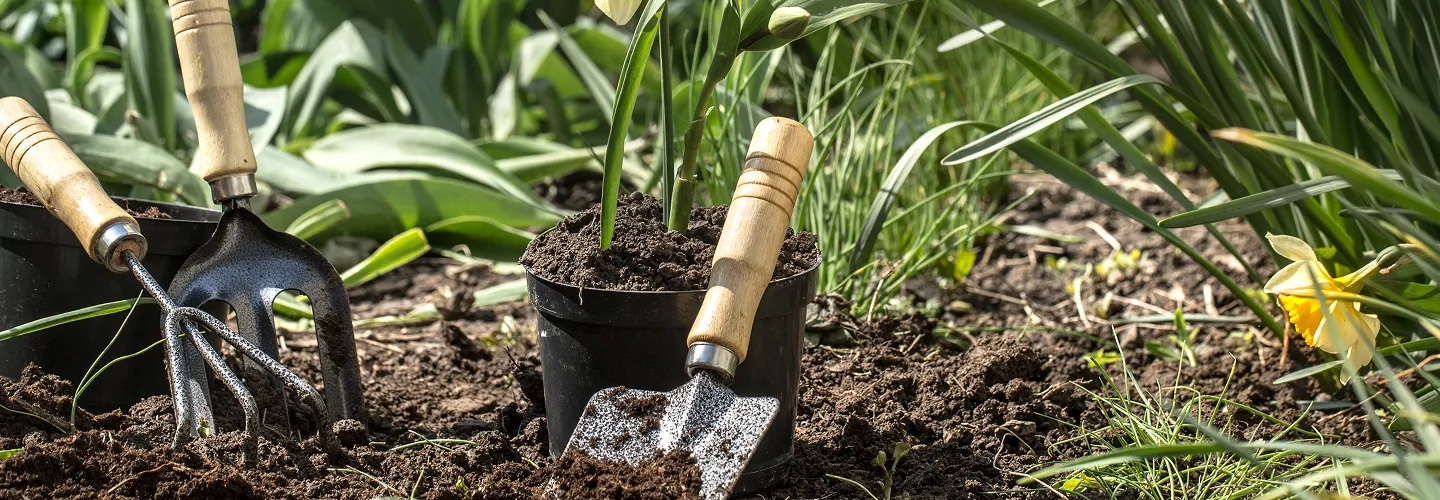
Weston Lakes Flower Planting Services
Choose our flower planting services for vibrant, expertly arranged blooms that enhance your curb appeal and thrive in the Weston Lakes climate—bringing lasting beauty and value to your home.
Get a Free QuoteOur Weston Lakes Landscaping & Yard Care Services
When to Schedule Flower Planting in Weston Lakes, Texas – Seasonal Guide
In Weston Lakes, Texas, timing your flower planting is crucial for vibrant, long-lasting blooms. The region’s subtropical climate means mild winters and hot, humid summers, so the best planting windows are typically early spring (late February to early April) and early fall (late September to mid-October). These periods allow new plantings to establish roots before the intense summer heat or occasional winter chills. Neighborhoods near Weston Lakes Country Club and along Riverwood Drive often experience microclimates due to shade from mature oaks and pecans, which can influence soil moisture and temperature.
Local environmental factors such as the area’s clay-rich soils, variable rainfall, and the risk of late spring frosts should guide your planting schedule. For example, properties bordering the Brazos River may have higher humidity and occasional flooding, while homes in the Pecan Grove area might contend with more shade and slower soil drainage. Always check the official local resources for up-to-date information on municipal guidelines and seasonal advisories.
Local Factors to Consider for Flower Planting in Weston Lakes
- Proximity to large trees (affecting shade and root competition)
- Soil type and drainage, especially in low-lying areas
- Average precipitation and drought risk during summer months
- Frost dates, particularly for early spring plantings
- Municipal watering restrictions or landscaping ordinances
- Terrain slope and exposure to prevailing winds
Benefits of Flower Planting in Weston Lakes
Enhanced Curb Appeal
Increased Property Value
Seasonal Color Variety
Expert Plant Selection
Low Maintenance Solutions
Eco-Friendly Landscaping

Weston Lakes Flower Planting Types

Annual Flower Beds
-
Perennial Gardens
-
Native Wildflower Plantings
-
Seasonal Color Displays
-
Shade Garden Plantings
-
Pollinator-Friendly Gardens
-
Container Flower Arrangements
Our Flower Planting Process
Site Evaluation
Soil Preparation
Plant Selection
Careful Planting
Watering and Mulching
Why Choose Weston Lakes Landscape Services
-
Weston Lakes Homeowners Trust Us
-
Expert Lawn Maintenance
-
Reliable Irrigation Solutions
-
Comprehensive Tree Care
-
Seasonal Clean-Up Services
-
Competitive Pricing
-
Satisfaction Guarantee
Soil Series and Drainage Considerations for Flower Planting in Weston Lakes
Flower planting in Weston Lakes requires careful attention to local soil conditions, as the area is predominantly characterized by Houston Black clay and Lake Charles clay loam, according to the USDA Web Soil Survey. These soils are heavy, alkaline (pH 7.5-8.2), and exhibit slow drainage, which can lead to root rot if not properly managed. For optimal flower bed establishment, it is recommended to incorporate 2-3 inches of compost and organic matter to a depth of 6-8 inches. Soil testing through Texas A&M AgriLife Extension is advised (typical cost: $15-25) to determine amendment needs. Key soil management steps include:
- Compost incorporation: 2-3 inches tilled to 6-8 inch depth
- Lime or sulfur application based on pH results
- Raised beds for improved drainage in low-lying areas
Municipal Coordination and Permit Requirements for Flower Planting Projects
All flower planting activities in Weston Lakes must comply with local ordinances regarding landscape modifications, especially in floodplain or protected areas. Permits are required for any grading, soil disturbance, or installation within 50 feet of wetlands or drainage channels. The review process typically takes 5-10 business days, with application fees ranging from $25 to $75. Residents must adhere to city noise ordinances for equipment operation:
- Monday-Friday: 7:00 AM - 7:00 PM
- Saturday: 8:00 AM - 6:00 PM
- Sunday and holidays: Prohibited
For permit applications and ordinance details, coordinate with:
Weston Lakes Permits and Floodplain Management
Weston Lakes City Hall, 8045 FM 359, Weston Lakes, TX 77441
Phone: (281) 533-0907
Official Website: Weston Lakes Permits and Floodplain Management
Selecting Native and Adaptive Flower Species for Weston Lakes’s Climate Zone
Weston Lakes is situated in USDA Hardiness Zone 9a, with average annual minimum temperatures of 20-25°F. Successful flower planting depends on choosing species that tolerate heavy clay soils, periodic flooding, and summer heat. Recommended species include:
- Black-eyed Susan (Rudbeckia hirta)
- Gulf Coast penstemon (Penstemon tenuis)
- Texas lantana (Lantana urticoides)
- Autumn sage (Salvia greggii)
- Turk’s cap (Malvaviscus arboreus)
For shaded areas, consider coral bells (Heuchera americana) and spiderwort (Tradescantia ohiensis). Spacing should be 12-18 inches apart for perennials and 8-12 inches for annuals. For further guidance on plant selection and soil compatibility, consult Texas A&M AgriLife Extension.
Environmental Compliance: Stormwater, Buffer Zones, and State Regulations
Flower planting in Weston Lakes must comply with the Texas Water Code and Clean Water Act requirements for stormwater management. The city operates under an MS4 permit, prohibiting soil, mulch, or plant debris from entering storm drains. Maintain a 25-foot no-disturbance buffer from wetlands and a 50-foot setback from open water bodies. Fertilizer and pesticide applications are restricted within these zones to prevent runoff. Key compliance steps:
- No fertilizer within 50 feet of water bodies
- Maintain 25-foot buffer from wetlands
- Use biodegradable mulch to reduce runoff risk
For environmental compliance questions, contact:
Fort Bend County Environmental Health Division
4520 Reading Road, Rosenberg, TX 77471
Phone: (281) 342-7469
Official Website: Fort Bend County Environmental Health Division
Seasonal Timing and Weather Considerations for Flower Planting in Weston Lakes
The optimal planting windows for flowers in Weston Lakes are mid-March to early May (soil temperature 60-70°F) and late September to early November (before first frost, typically late October). Avoid planting during peak summer (June-August) due to heat stress and high evaporation rates. Monitor local weather forecasts through the National Weather Service Houston/Galveston Office for rainfall and temperature trends. Timing recommendations:
- Spring planting: March 15 – May 1
- Fall planting: September 20 – November 1
- Avoid: June-August (heat stress period)
Mulch flower beds with 2-3 inches of organic material to conserve moisture and moderate soil temperature. Irrigation should be scheduled before 10:00 AM or after 6:00 PM to minimize evaporation.
What Neighborhoods Do We Serve Throughout Weston Lakes, TX?
- The Reserve at Weston Lakes: Features newer construction with engineered soils and improved drainage, but heavy clay subsoils require raised beds for optimal flower establishment.
- The Fairways: Large lots with mature trees and partial shade; soil compaction and root competition are common, necessitating soil amendment and shade-tolerant species.
- Riverwood Forest: Proximity to the Brazos River floodplain means periodic high water and poorly drained soils; select flood-tolerant native flowers and maintain buffer zones.
- Bradford on the Bend: Established neighborhood with mixed sun and shade, moderate drainage, and HOA landscaping guidelines that may affect plant selection and bed placement.
- Weston Lakes Country Club Area: Landscaped common areas and golf course adjacency; irrigation infrastructure is present, but runoff management and fertilizer restrictions apply.
- Pecan Grove: Older homes with mature pecan trees, deep shade, and alkaline soils; focus on shade-adapted, low-maintenance perennials and regular soil testing.
- North Weston Lakes: Transitional area with ongoing development, variable soil fill, and potential for construction-related compaction; soil testing and amendment are critical before planting.